
|
|
|
|
|
|
|
|
|
|
|
|
|
|
|
|
|
|
|
|
|
|
|
|
|
|
|
 |
|
|
|
|
|
|
|
|
|
|
|
|
|
|
|
|
|
|
|
|
|


 |
|
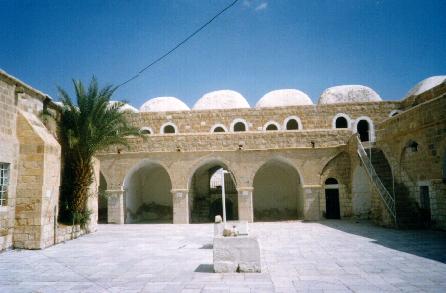
The tomb of Prophet Moses is a splendid example of early Islamic architecture set in an awe-inspiring landscape. It is located at about 20km east of Jerusalem. About 2km beyond the sign indicating sea level, a narrow road to the right of the main road leads to a grand two storey building topped by a complex of domes. The maqam is considered holy because it houses the grave of prophet Moses according to local tradition. Moses is recognized by Moslems as one of the great prophets of Islam. The bituminous rocks around the shrine add to its mystique and sanctity since they are flammable. The main body of the present shrine, the mosque, the minaret, and some of the rooms, were built in AD 1269 during the reign of the Mamluk Sultan, Al Dhaher Baybars. Successive additions of rooms for visitors and pilgrims brought the maqam to its present shape and size in AD 1475. The tomb has been the site of an annual pilgrimage festival or mawsim at least since the time of the great Muslim leader Salah Al Din (Saladin). Nowadays, a Palestinian family from Jericho lives on the site and looks after it; they are happy to show visitors around. They run a small shop selling interesting and unusual gifts, such as pure olive-oil soap, honey and locally-produced olive oil, the proceeds of which go towards maintaining the site. Soft drinks and snacks are also available. The sanctuary is open daily from 8am until sunset; no entrance fee is required, but donations towards its upkeep |


